













Palarong Pinoy Brings Together Filipino Community in Tohoku
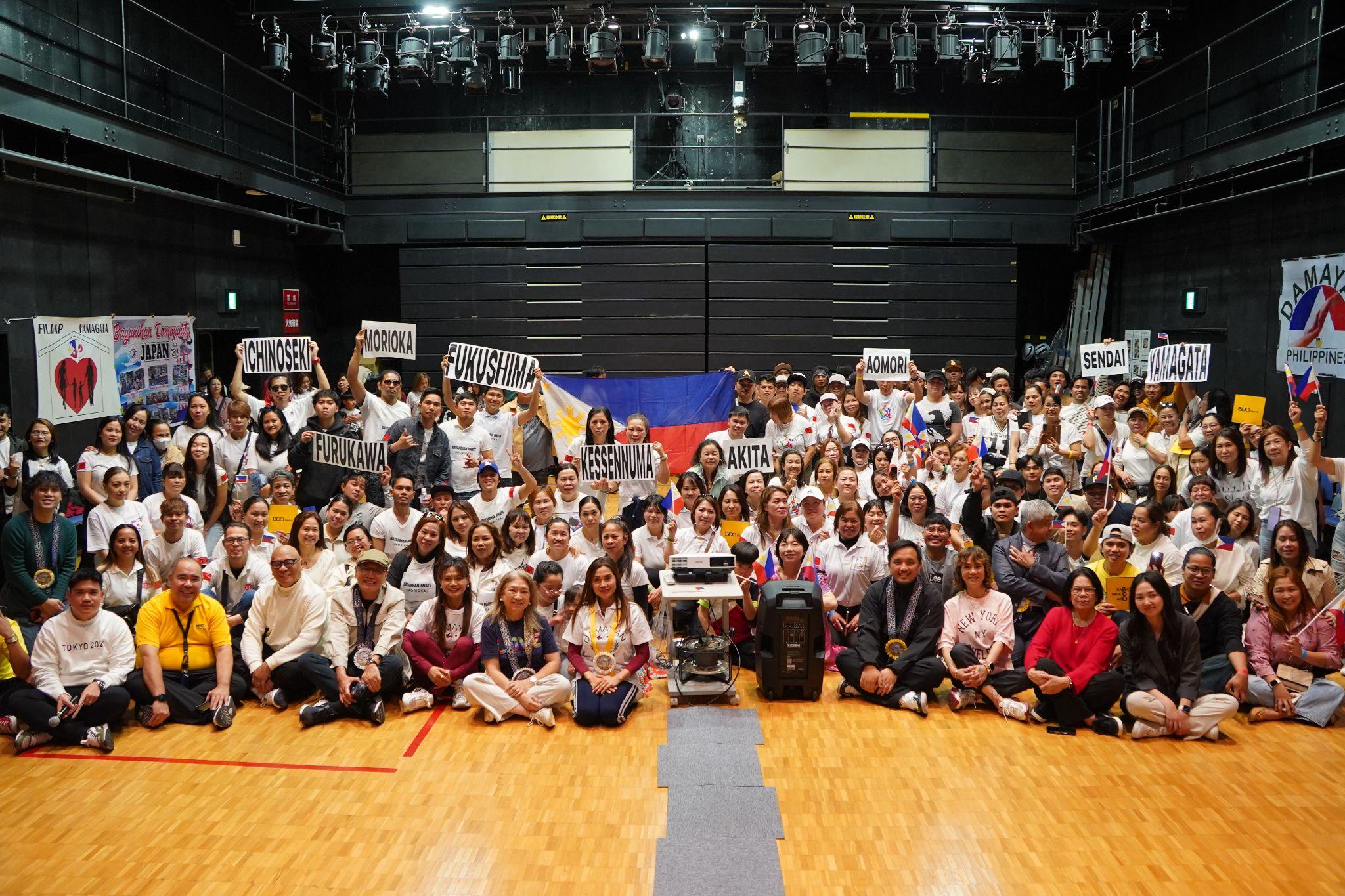
Philippine Ambassador to Japan Mylene J. Garcia-Albano (front, 6th from the left) with the Filipino Community in Tohoku region during the Palarong Pinoy in Tohoku Region in Sendai, Miyagi on 11 April 2026.
SENDAI, 17 April 2026 – The Philippine Embassy in Japan joined the Filipino community in the Tohoku Region for Palarong Pinoy held on 11 April 2026 at L-Park Sendai in Sendai, Miyagi Prefecture. Organized through the Migrant Workers Office–Overseas Workers Welfare Administration Tokyo (MWO-OWWA Tokyo), the event formed part of community-building efforts for Filipinos in Japan and in celebration of the 70th Anniversary of the Normalization of Diplomatic Relations between the Philippines and Japan.
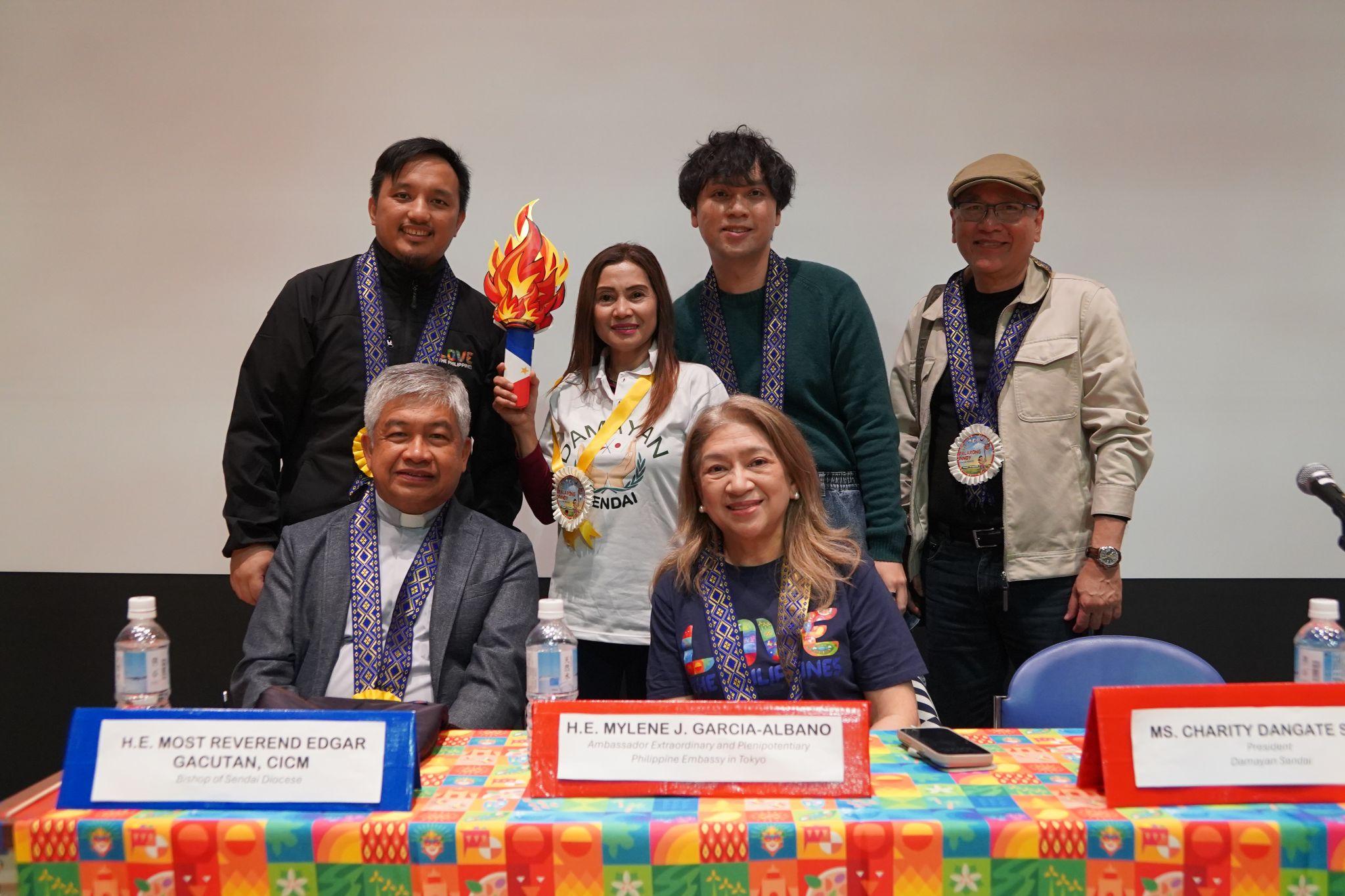
Philippine Ambassador to Japan Mylene J. Garcia-Albano (1st row-right), Most Reverend Edgar Gacutan, CICM, Bishop of Sendai Diocese (1st row-left), Acting Consul General Robert D. Quintin (2nd row-left), Labor Attaché Ramon Lamberto C. Pastrana (2nd row-right), Welfare Officer Geronico M. Herrera (2nd row-2nd from the right), and Ms. Charity Dangate Sato, President of Damayan (2nd row-2nd from the left) during the Palarong Pinoy in Tohoku Region in Sendai, Miyagi on 11 April 2026.
Filipino communities across the Tohoku Region, from Aomori, Akita, Furukawa, Fukushima, Ichinoseki, Kesennuma, Morioka, Sendai, and Yamagata gathered for a day of traditional Filipino games, fellowship, and community-building. Most Reverend Edgar Gacutan, CICM, Bishop of Sendai Diocese, the first Filipino Bishop in Sendai, led the opening prayer for the program. Welcome messages were delivered by Philippine Ambassador to Japan Mylene J. Garcia-Albano and Ms. Charity Dangate Sato, President of Damayan in Sendai. The oath of sportsmanship was administered by Acting Consul General Robert D. Quintin, while the official opening of the games was led by Labor Attaché Ramon Lamberto C. Pastrana.
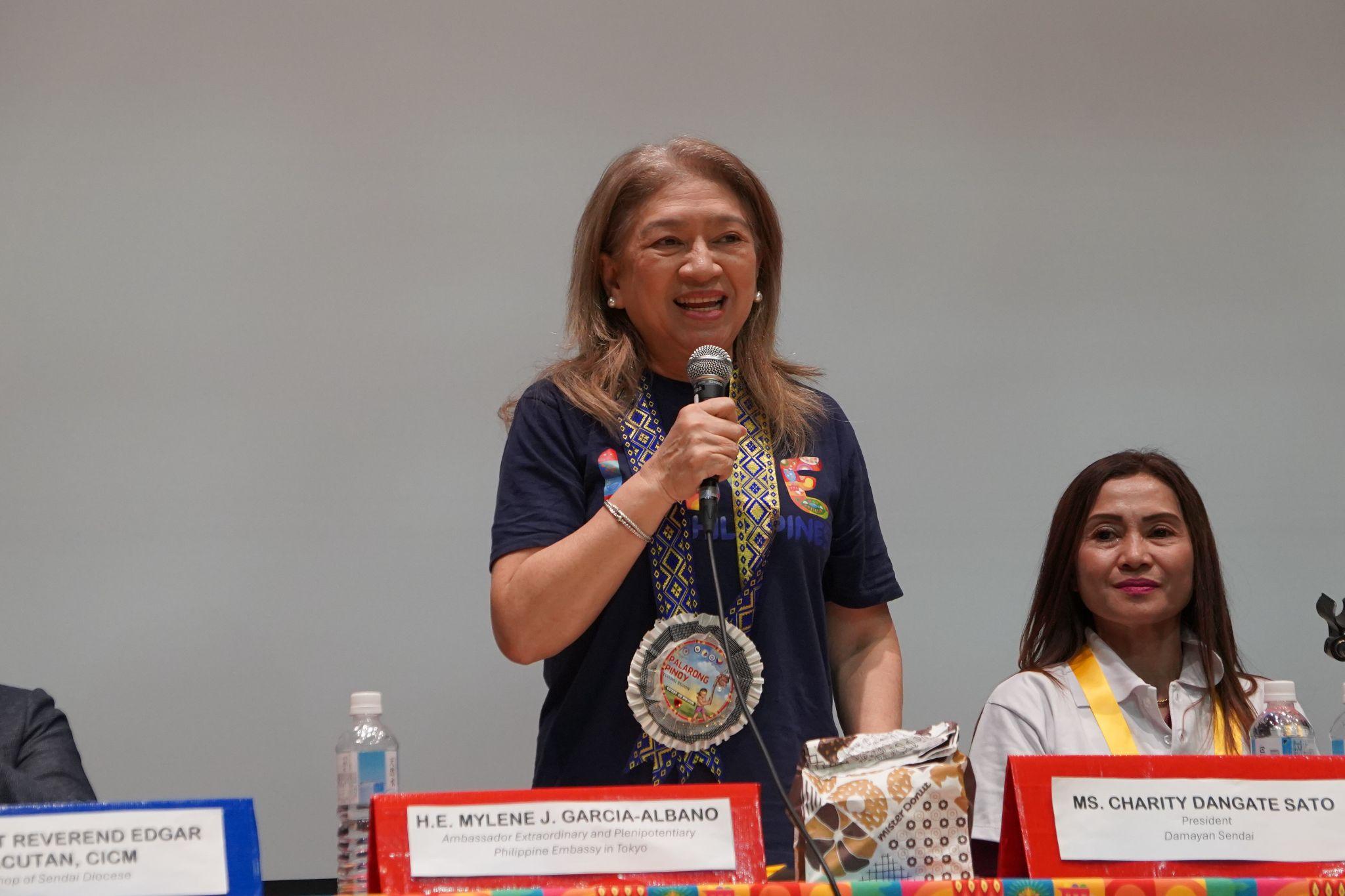
Philippine Ambassador to Japan Mylene J. Garcia-Albano (center) delivers her remarks during the Palarong Pinoy in Tohoku Region in Sendai, Miyagi.
In her remarks, Ambassador Garcia-Albano underscored the importance of preserving Filipino culture and strengthening community ties among Filipinos overseas. She highlighted how traditional Filipino games serve as a reminder of shared childhood experiences while also establishing unity and solidarity among members of the Filipino community in Japan. She likewise expressed appreciation to Damayan in Sendai, led by Ms. Sato as its President, for their dedication to building a stronger and more united Filipino community in the Tohoku region.
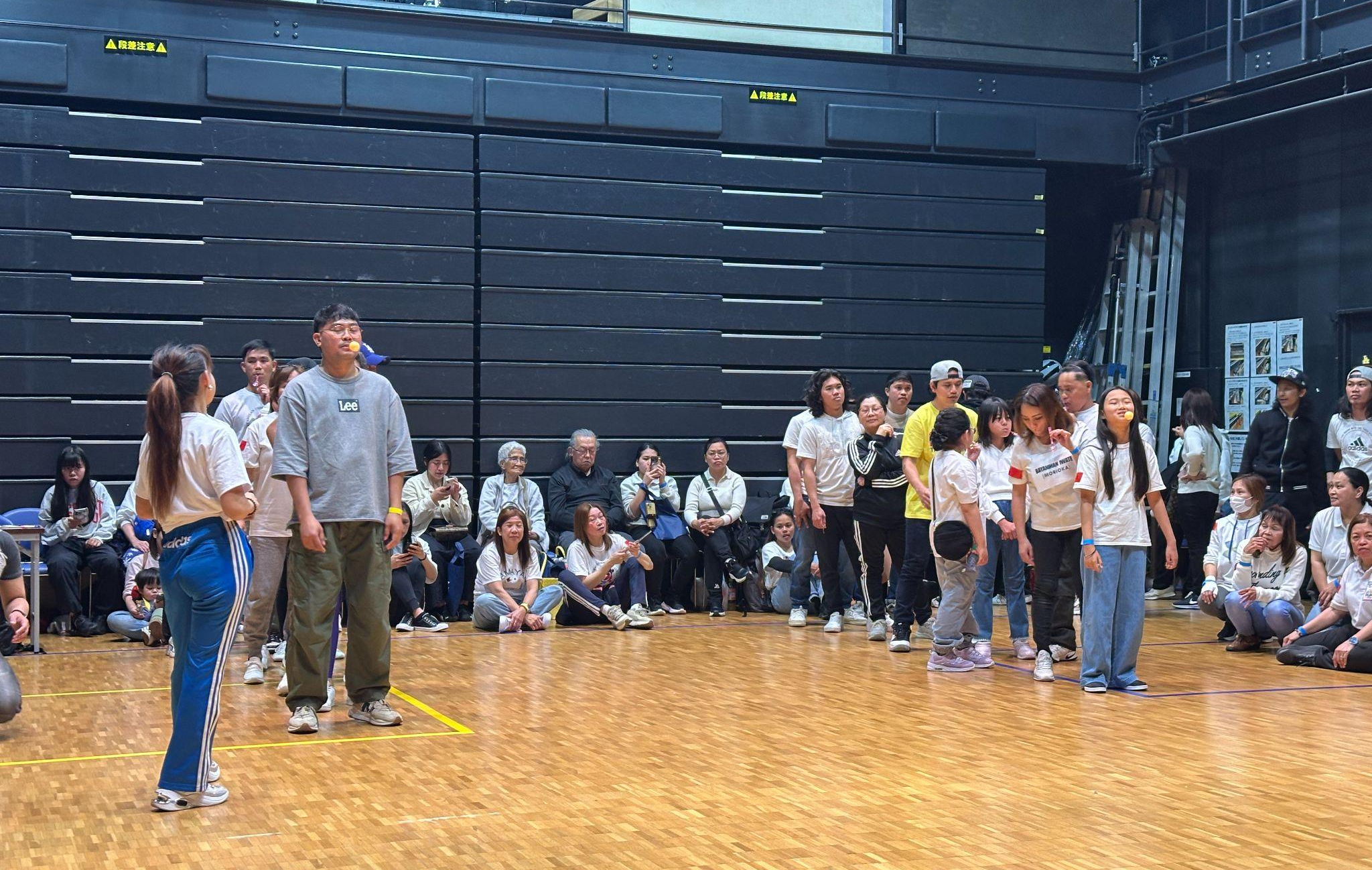
Members of the Filipino community in the Tohoku Region take part in the games during the Palarong Pinoy in Sendai, Miyagi
The event featured a variety of traditional Filipino games that encouraged active participation, teamwork, and friendly competition among members of the Filipino community across the region.
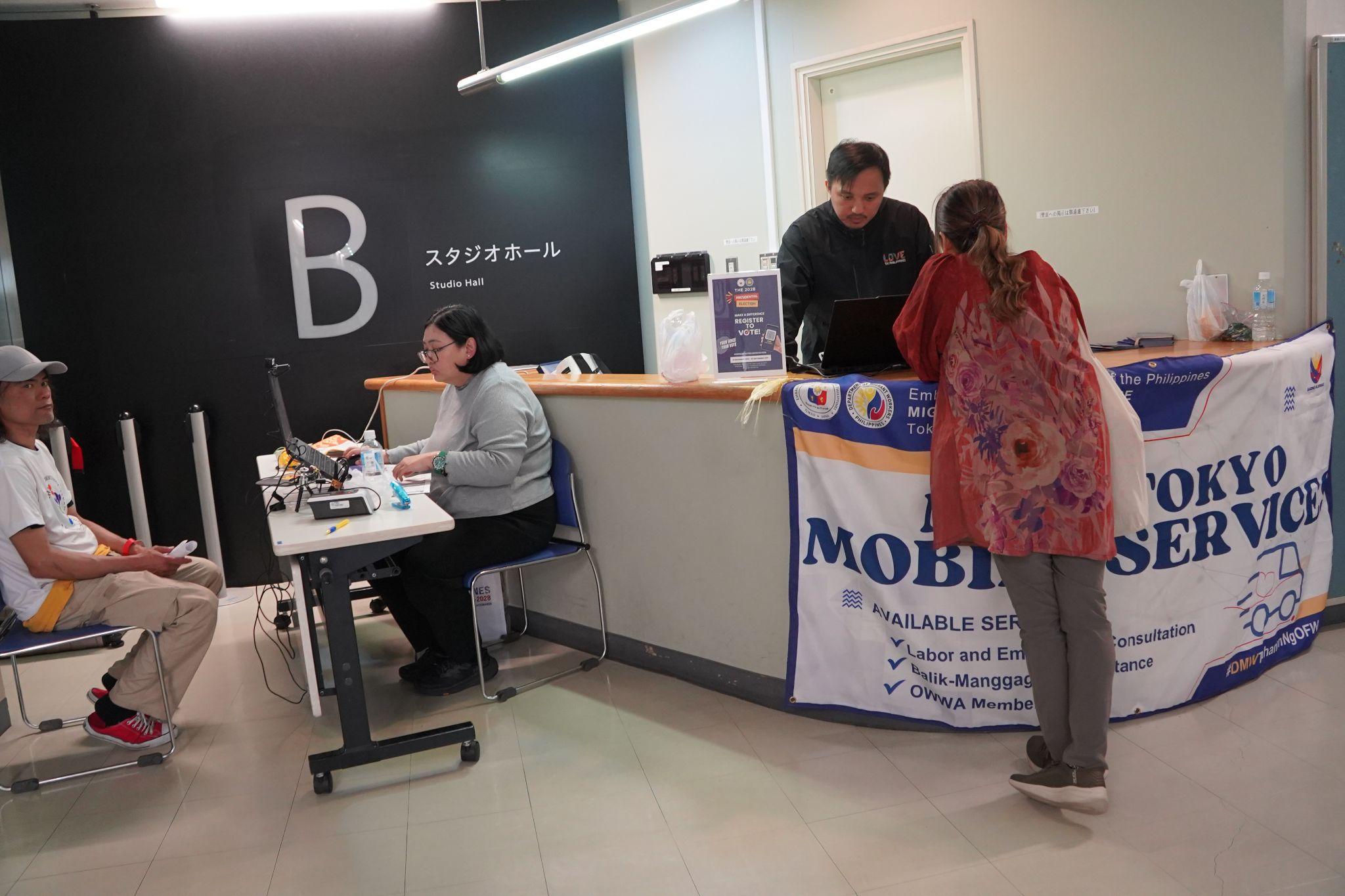
Acting Consul General Robert D. Quintin (right, in black jacket) and Embassy Staff Atty. Jamille R. San Jose providing Overseas Voter Registration services to the Filipino community in the Tohoku region.
The Embassy also provided mobile services on the sidelines of the event, such as including Labor and Employment Consultation, Balik-Manggagawa Assistance, OWWA Membership, and Overseas Voter Registration to the members of the Filipino community in the Tohoku Region.
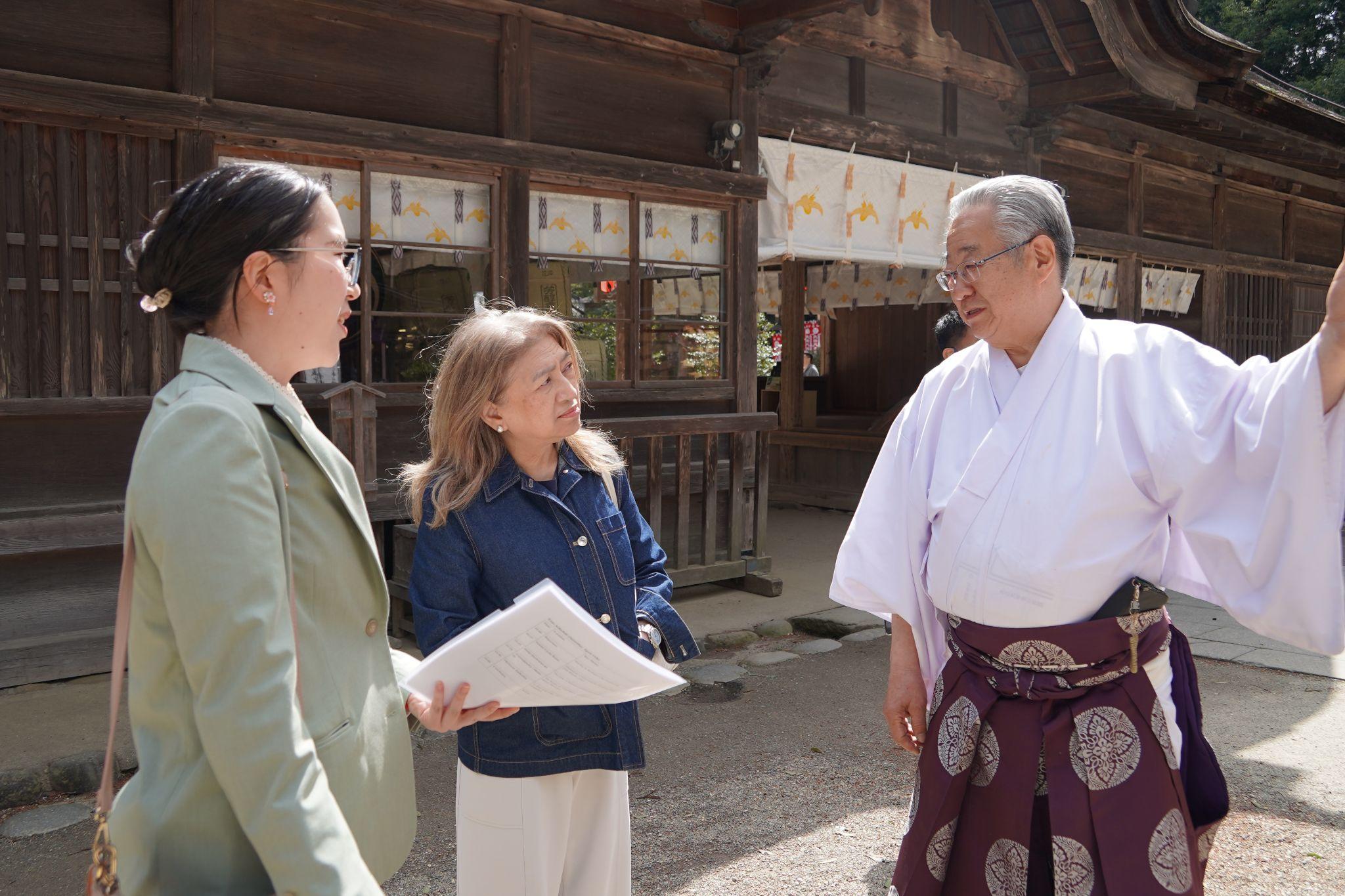
Philippine Ambassador to Japan Mylene J. Garcia-Albano (center), Osaki Hachimangu Shrine Chief Priest Hiroaki Onome (right), Ms. Saki Sakurai, graduate student from Tohoku University during the guided tour at Osaki Hachimangu Shrine.
Following the program, Ambassador Garcia-Albano was hosted by The Kapatiran or Association of Filipino Students in Tohoku, for a tour of historical sites in Sendai. The Ambassador visited Osaki Hachimangu Shrine, where she was received by its Chief Priest Hiroaki Onome, as well as Sendai Castle and Sendai City Museum.
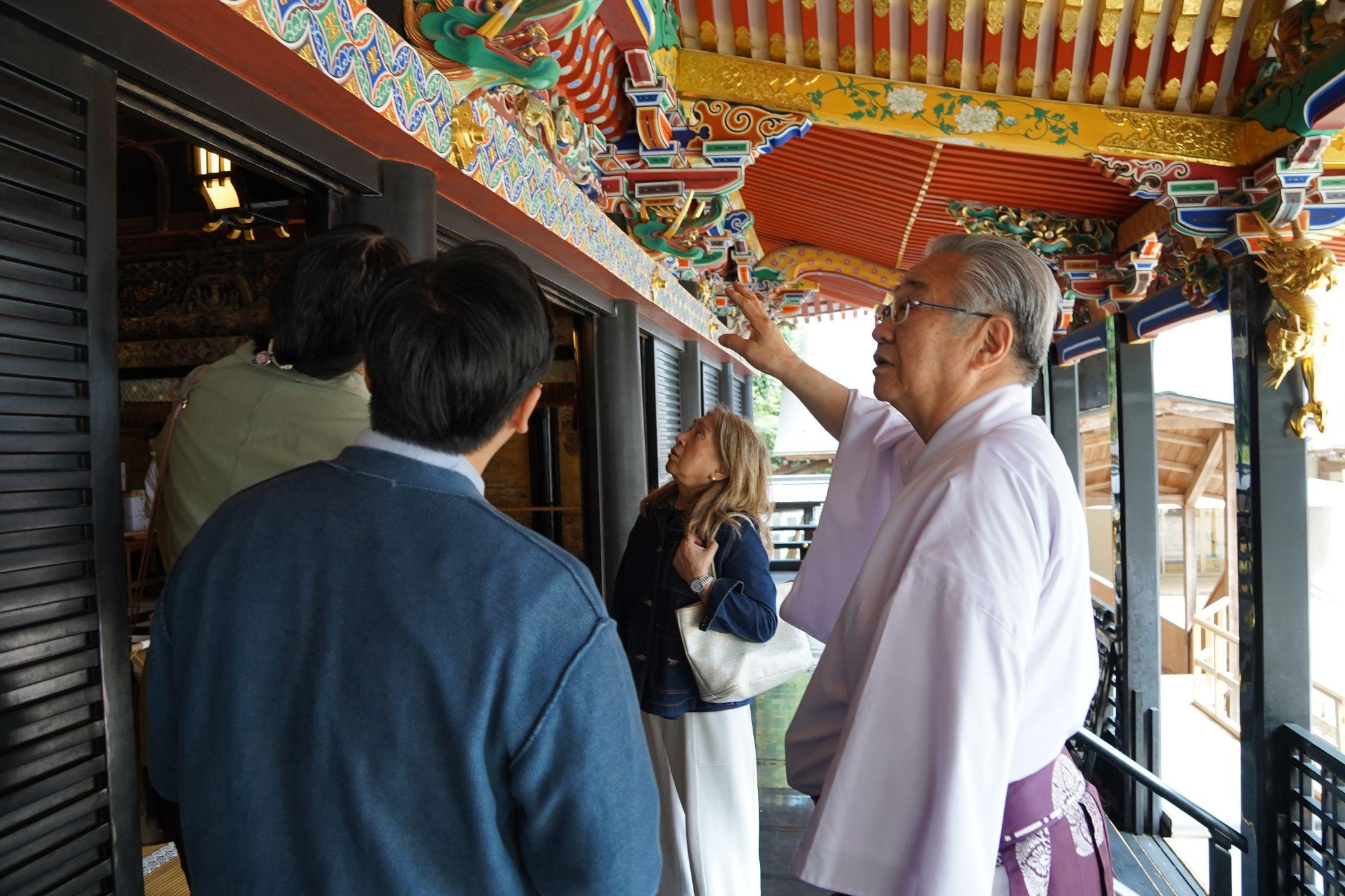
Philippine Ambassador to Japan Mylene J. Garcia-Albano (center), Osaki Hachimangu Shrine Chief Priest Hiroaki Onome (right) explains the architectural style and vibrant carvings of the Osaki Hachimangu Shrine.
Chief Priest Hiroaki Onome highlighted the shrine’s Momoyama‑style architecture, noting its vibrant carvings that showcase the diverse techniques of master craftsmen from across Japan. These artisans were brought together by Lord Date Masamune, the samurai who founded Sendai, and commissioned the construction of Osaki Hachimangu Shrine between 1604 and 1607. Recognized today as a National Treasure, the shrine stands as a masterpiece of the Momoyama period, distinguished by its intricate wood carvings, paintings, metalwork, and lacquer.
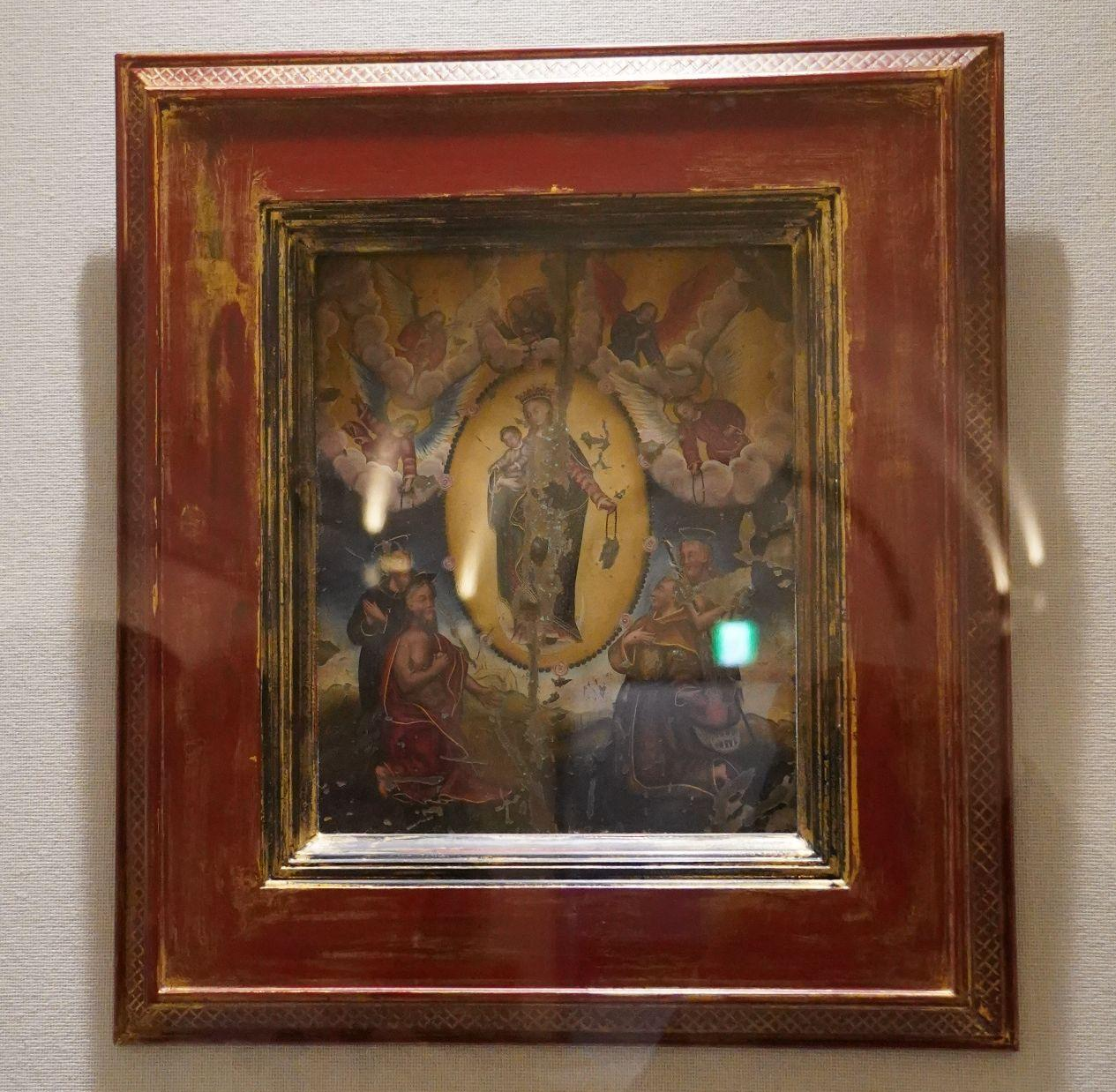
Early 17th Century Religious Painting titled “Madonna and Child”, acquired by Japanese samurai Hasekura Tsunenaga.
At the Sendai City Museum, the Ambassador was shown an early 17th century religious painting, said to have been made in the Philippines and acquired by Japanese samurai Hasekura Tsunenaga, during his stay in Manila on his way home to Japan from a diplomatic mission to the Vatican. He left Japan in 1613 and returned in 1620.
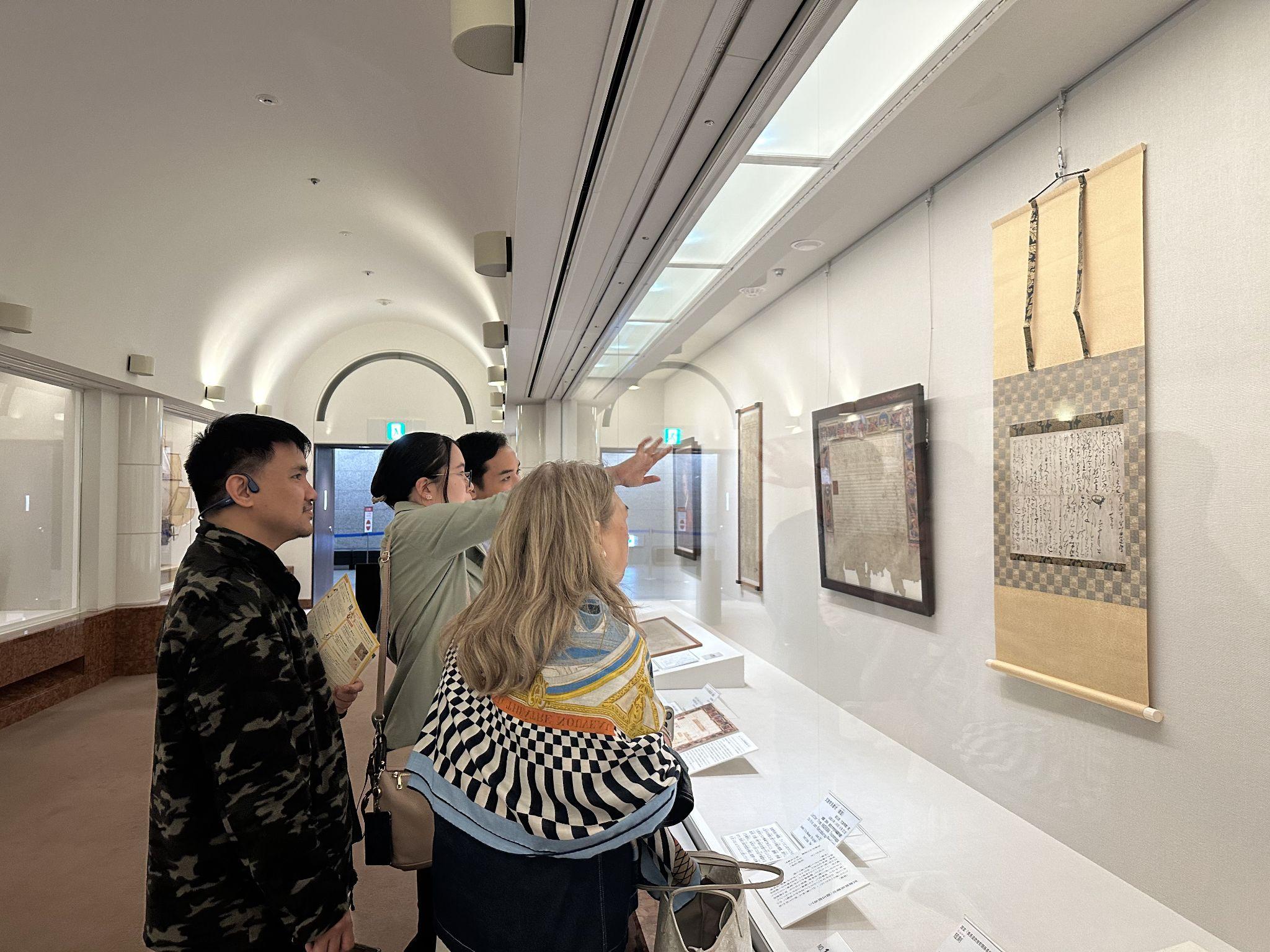
Philippine Ambassador to Japan Mylene J. Garcia-Albano together with members of The Kapatiran during the guided tour at Sendai City Museum.
The visit provided an opportunity for the Ambassador to engage with Filipino students in the region and to gain a deeper appreciation of Sendai’s cultural and historical heritage.
“I am pleased to join our kababayans here in Tohoku as we celebrate Palarong Pinoy, which is a meaningful reminder of our shared heritage and childhood traditions. Beyond the games, this gathering reflects the strength of our community, bringing Filipinos together in the spirit of unity, friendship, and pride in our culture, even while we are far from home,” Ambassador Garcia-Albano remarked.
The successful conduct of the Palarong Pinoy in Tohoku Region reflected the vibrancy and unity of the Filipino community in northern Japan and underscored the importance of community activities in strengthening ties among Filipinos overseas.


